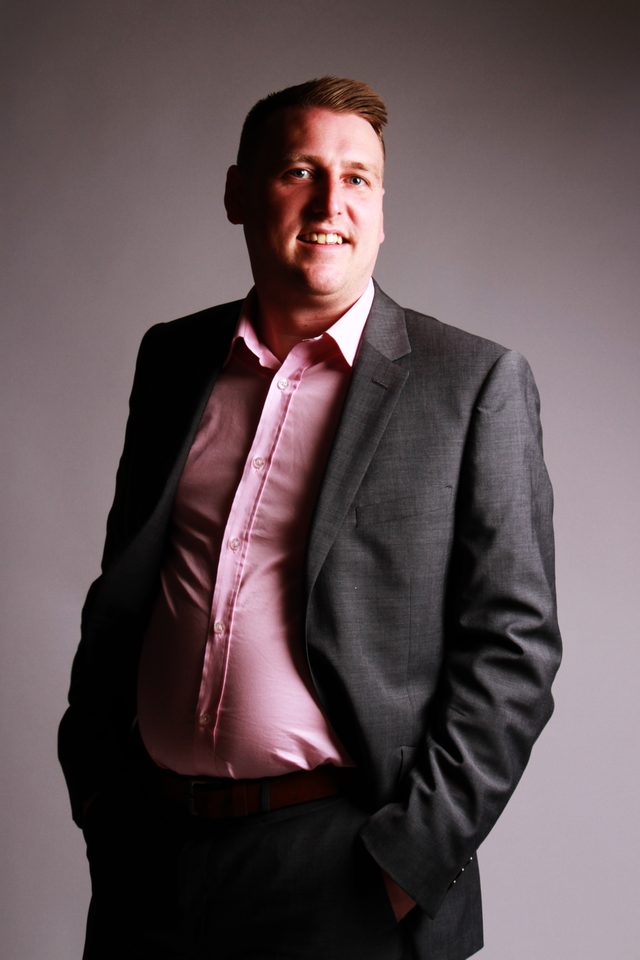

I have started five businesses over the last twenty five years or so. BrainCube, RealCube, ProCube, Crocodile and CampSuite. Some have done well. Some taught me expensive lessons. One I managed to exit. All of them were bootstrapped, meaning I funded them myself, grew them with revenue and never took a penny of outside investment.
That was not always a deliberate philosophical choice, by the way. In the early days I simply did not know how to raise money, and by the time I did, I had realised I did not want to. There is something about building a business with your own money that forces a level of discipline and creativity that I think gets lost when someone hands you a cheque for half a million quid.
So here are five things I have learned. Not theoretical stuff from a business book. Actual, practical lessons that cost me real money and real sleep to figure out.
1. Cash flow will try to kill you, and it is patient
Every bootstrapper learns this one eventually. Revenue is not cash. Profit is not cash. Cash is cash. And when you are funding everything yourself, cash flow is the thing that will keep you up at 3am staring at the ceiling wondering how you are going to make payroll.
With RealCube, we had a brilliant product and growing revenue, but the sales cycle in property technology is long. Enterprises take months to sign off on anything. We would close a deal in January and not see the first payment until April. Meanwhile, the developers still needed paying, the servers still needed running and the business still needed feeding.
The lesson? Model your cash flow properly before you start. Not your revenue forecast. Your actual cash position, week by week, for the next six months. Know exactly when money comes in and when it goes out. If those two things do not line up, you have a problem, and it is better to know about it now than when your bank balance hits zero.
With Crocodile and CampSuite, I built recurring revenue models from day one specifically because of this lesson. Monthly subscriptions mean predictable cash. It is not exciting, but it lets you sleep.
2. Ship fast or ship never
BrainCube was my first proper business and I made every classic mistake in the book. One of the biggest was spending months perfecting the product before anyone had seen it. I was convinced it needed to be perfect before launch. It was not, of course, and by the time I shipped it, I had burned through time and money building features that nobody actually wanted.
With RealCube, I went the other way. We had the first version in front of paying customers within weeks. Was it rough? Absolutely. Did it have bugs? Of course it did. But we were getting real feedback from real users, which is worth a hundred times more than any amount of internal testing.
The thing about shipping fast is that it feels uncomfortable. You are putting something out there that you know is not finished, and your perfectionist brain is screaming at you. But the alternative is spending six months in a vacuum, building something that might not solve the problem you think it does.
Every business I have started since RealCube, I have launched as quickly as humanly possible. CampSuite went from concept to first paying customer in about six weeks. Was the first version basic? Extremely. But it worked, people paid for it, and everything since then has been built on top of real customer feedback rather than guesswork.
3. You will do everything yourself at the start, and that is actually fine
In the early days of every business I have started, I have been the developer, the designer, the salesperson, the support team, the bookkeeper and the tea maker. When you are bootstrapping, you cannot afford to hire specialists for everything, so you become a generalist by necessity.
A lot of business advice tells you to delegate early and focus on your strengths. That is great advice if you have money. When you do not, you learn to do things yourself, and there is real value in that. Understanding how every part of your business works means you make better decisions later when you do start hiring people.
With Crocodile, I wrote the first version of the software, designed the website, handled the first fifty sales calls, did the initial customer support and managed the finances. Was I amazing at all of those things? Absolutely not. But I understood the business inside out, and when I eventually brought people in to take over those functions, I knew exactly what good looked like because I had done the job myself.
The key is knowing when to stop doing everything yourself. There is a point where your time becomes more valuable as a founder than as a support agent, and you need to recognise that point and act on it. But in the early days, rolling your sleeves up and doing the work is not just acceptable, it is essential.
4. Know when to walk away
This is the hardest lesson on the list and the one I wish I had learned earlier. Not every business is going to work. Not every idea deserves your life savings and three years of your time. Sometimes the kindest thing you can do for yourself and everyone involved is to acknowledge that something is not working and move on.
I held onto ProCube for longer than I should have. The market was not there, or at least it was not there in the way we needed it to be, and I kept convincing myself that the next pivot would be the one that cracked it. It was not. What I should have done was recognised the signs earlier and redirected that energy into something with better fundamentals.
Walking away does not mean you failed. It means you learned something and you are smart enough to apply those lessons to your next venture rather than pouring more time and money into a sinking ship. The experience I gained from ProCube directly informed how I built CampSuite, and CampSuite has been a much better business because of it.
Set yourself some honest benchmarks early on. Revenue targets, customer acquisition goals, whatever makes sense for your business. If you are consistently missing them after a reasonable amount of time, be honest with yourself about why. Sometimes the answer is that you need to try harder. Sometimes the answer is that you need to try something else.
5. Building a team changes everything
For the first few years of my bootstrapping life, I tried to do as much as possible on my own. I was protective of equity, nervous about the commitment of salaries and, if I am honest, a bit of a control freak. But every time I have brought good people into a business, it has been transformative.
The first real hire is terrifying. You are committing to paying someone else when you are not even sure you can pay yourself reliably. But good people do not just do their job, they make the whole business better. They challenge your assumptions, bring skills you do not have and free you up to focus on the things that actually move the needle.
With Crocodile, bringing in people who understood HR (which I absolutely did not) transformed the business from a software product into a proper HR services company. I could build the technology, but I needed domain experts to make it genuinely useful. That combination of technical capability and domain expertise is what made Crocodile work.
The lesson is not to hire early for the sake of it. When you are bootstrapping, every hire needs to earn its place. But when you find the right people, do not hesitate. Equity, revenue share, whatever it takes to get them on board. A smaller slice of a bigger pie is always better than a hundred percent of nothing.
The honest summary
Bootstrapping is not glamorous. There are no TechCrunch articles about your seed round. Nobody is sending you congratulatory messages about your Series A. It is just you, your customers and the relentless pressure of making everything work with limited resources.
But it is also incredibly rewarding. Every pound of revenue means something because you earned it. Every customer matters because you cannot afford to lose them. And every decision is yours to make because you do not have a board of investors second guessing you.
If you are thinking about starting something and you are put off by not having funding, do not be. Some of the best businesses in the world were built with nothing more than a good idea, a willingness to work hard and the stubbornness to keep going when everything says you should stop. That has certainly been my experience, and I would not change it for anything.